When considering outdoor flooring options, a common question arises: how long does WPC decking last compared to real wood? WPC, or wood-plastic composite, has gained popularity in recent years. A recent study by the American Society for Testing and Materials found that WPC decking can last up to 25 years with proper maintenance. This durability often overshadows traditional wood, which averages around 15 to 20 years, depending on the type and environmental factors.
The aesthetic appeal of real wood cannot be ignored. However, wood is susceptible to rot, insects, and weather damage. According to the National Wood Flooring Association, untreated wood can degrade in just 5 to 10 years in harsh conditions. Consumers need to weigh these factors carefully. While WPC decking offers a longer lifespan, some still prefer natural wood for its warmth and natural appearance.
Choosing the right material is crucial for outdoor spaces. Homeowners often believe that higher maintenance on wood is worth the look and feel. There is no perfect solution; what suits one homeowner may not suit another. Understanding these differences will help inform your decision on decking materials.
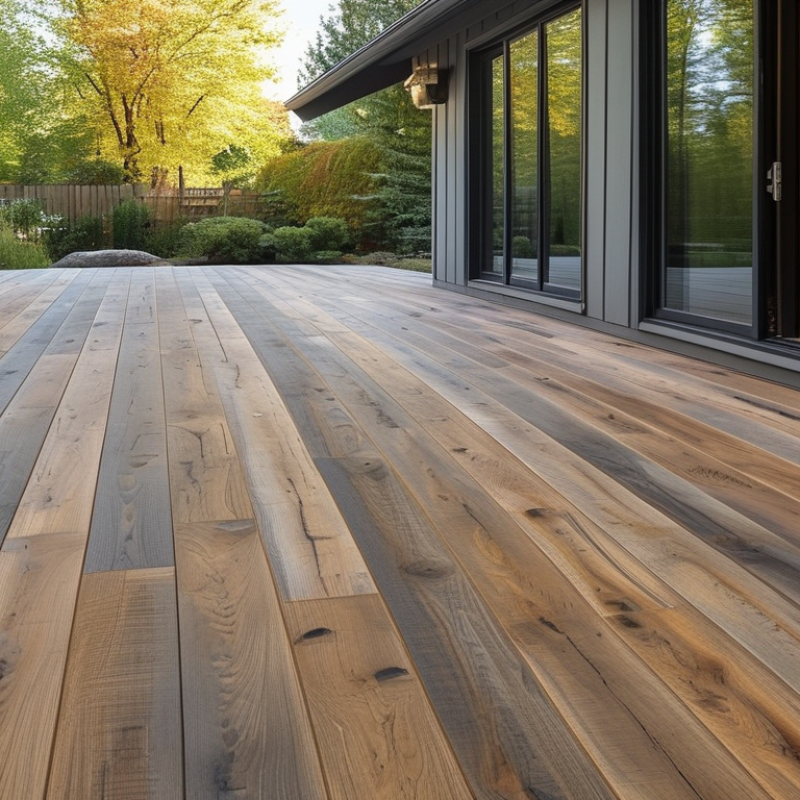
WPC Decking: Overview and Key Features
WPC decking, short for wood-plastic composite, is gaining popularity for various outdoor spaces. This material combines wood fibers with recycled plastic, resulting in a durable solution. It mimics the look of natural wood but offers enhanced resistance to weather and pests. Maintenance is minimal, making it an appealing choice for homeowners.
WPC decking is also designed to offer a variety of colors and textures. Many enjoy its aesthetic appeal without the constant upkeep that real wood requires. However, it's essential to acknowledge its limitations. Some users report fading over time, especially in direct sunlight. Additionally, the initial cost can be higher than that of traditional wood.
When considering lifespan, WPC decking can last up to 25 years with proper care, while real wood typically requires more frequent replacement. The longevity of WPC is certainly a compelling factor. Yet, factors like installation quality and environmental conditions can impact durability. Reflecting on these aspects is crucial when choosing the right material for your outdoor project.
Understanding Real Wood Decking: Types and Characteristics
When considering real wood decking, it’s essential to understand the various types available. Cedar and redwood are popular choices. They are known for natural resistance to rot and insects, making them ideal for outdoor spaces. Pressure-treated lumber is another option that can endure the elements, although it requires regular maintenance. This involves periodic sealing and staining to protect the wood and extend its lifespan.
Each type of wood has distinct characteristics. Cedar has a warm color and a pleasant scent. It weathers beautifully but may fade over time. Redwood offers beautiful grain patterns and rich hues but can be more expensive. It’s important to reflect on your preferences and the local climate. The durability of natural wood is impressive, yet it demands commitment in maintenance. Temperature changes and moisture can cause warping and splitting. It is a consideration that prospective buyers should acknowledge. Real wood has a charm that composites can’t replicate, but it requires effort for lasting beauty.
WPC Decking vs Real Wood Best Lifespan Comparison
| Material Type |
Average Lifespan (Years) |
Maintenance Level |
Resistance to Weathering |
Cost per Square Foot |
| WPC Decking |
25-30 |
Low |
High |
$3-$7 |
| Pressure-Treated Wood |
10-15 |
Medium |
Medium |
$2-$5 |
| Cedar Wood |
15-20 |
High |
High |
$5-$10 |
| Composite Wood |
20-25 |
Low |
Very High |
$4-$8 |
Lifespan Comparison: WPC Decking vs Real Wood
When comparing the lifespans of WPC decking and real wood, data reveals some intriguing insights.
WPC (Wood Plastic Composite) decking typically lasts around 25 to 30 years with proper maintenance. In contrast, traditional hardwood can last between 15 to 30 years, depending on its type and the environmental conditions. Studies suggest that WPC is more resistant to moisture, rot, and pests, leading to a prolonged lifespan.
However, real wood offers a unique aesthetic and feel that WPC cannot replicate. Many homeowners appreciate the warmth and natural beauty of hardwood. When maintained well, hardwood can achieve longevity similar to WPC decking. Yet, it requires regular treatments like sealing or staining to prevent damage. It may also develop splinters and warping over time, which can be concerning for families with children.
When choosing between WPC and real wood, consider your climate and usage. WPC is often preferable in humid or wet areas. Alternatively, if your priority is aesthetics and you don't mind maintenance, real wood may suit you well. Consider your lifestyle, budget, and the visual impact you want to achieve. Engaging with professionals for advice can be beneficial in making the right choice for your deck.
Factors Influencing Decking Longevity
The longevity of decking materials is influenced by various factors, primarily the type of material, maintenance practices, and environmental conditions. For instance, wood-plastic composites (WPC) typically last 25 to 30 years, a notable contrast to real wood, which can have a lifespan of 15 to 20 years, depending on species and treatment. A report from the American Wood Council notes that proper sealing and maintenance of real wood significantly enhance its durability.
Maintenance plays a key role in decking longevity. Regular cleaning, sealing, and inspections can prevent rot and insect infestations in wood. On the other hand, WPC requires less maintenance. However, it can succumb to fading and scratching if exposed to direct sunlight and heavy traffic. Environmental conditions, such as climate and moisture levels, also greatly impact lifespan. Areas with high humidity can accelerate the decay of wood, while WPC may face challenges in extreme temperature changes.
Understanding these factors can help homeowners make informed decisions about decking materials. Ultimately, the choice between WPC and real wood involves evaluating personal preferences and lifestyle. Lesons from past experiences suggest that, regardless of the material chosen, addressing maintenance proactively can lead to a more enjoyable and lasting outdoor space.
Cost-Effectiveness and Maintenance of WPC and Real Wood Decking
When comparing WPC decking to real wood, cost-effectiveness and maintenance play crucial roles. WPC, or wood-plastic composite, usually requires less upkeep. It doesn’t splinter and is resistant to moisture. These qualities save time and money on repairs and refinishing. Homeowners appreciate that aspect, especially in wet climates. Taking proper care of real wood can be intensive. It demands regular sealing and staining. Failing to maintain it leads to rotting or warping.
Budget-conscious individuals often lean towards WPC. The upfront cost may be higher, but the long-term savings often balance it out. On the other hand, some people still prefer real wood's authentic look. It brings warmth and natural beauty that WPC can struggle to replicate. However, the initial charm fades if neglect sets in.
Ultimately, the choice hinges on personal priorities. Aesthetics versus convenience creates a dilemma. WPC stands strong in durability. Real wood shines in grace. Reflecting on what you value most in your outdoor space can ensure satisfaction years down the line.
FAQS
: WPC decking is wood-plastic composite. It combines wood fibers with recycled plastic. This creates a durable outdoor material.
WPC mimics natural wood but needs less maintenance. It resists pests and weather better than real wood.
Yes, WPC decking offers various colors and textures for aesthetic appeal. It suits different outdoor design preferences.
Some users experience fading over time, especially in sunlight. The initial cost can be higher compared to traditional wood.
WPC decking can last up to 25 years with proper care. Installation quality and environmental factors can affect its durability.
Cedar and redwood are popular choices for decking. Pressure-treated lumber is another option, but it requires regular maintenance.
Real wood needs periodic sealing and staining. This protects the wood and prolongs its lifespan over time.
Yes, real wood can fade and is affected by temperature changes and moisture, which may cause warping and splitting.
Real wood has unique charm and beauty. It offers a warmth that composites cannot replicate, but it needs more effort.
Yes, local climate and conditions matter. They can significantly impact both WPC and real wood decking's longevity and performance.
Conclusion
WPC decking, a composite material made from wood fibers and plastic, offers unique features such as resistance to moisture and insects, contributing to its durability. In contrast, real wood decking, while aesthetically pleasing and available in various types, requires more maintenance and is susceptible to weather-related damages. When considering how long does WPC decking last compared to real wood, studies indicate that WPC decking typically outlasts traditional wood, often exceeding 25 years with proper care, while real wood may last around 15 to 30 years depending on the species and environmental conditions.
Several factors influence the longevity of both decking types, including climate, installation methods, and maintenance practices. While WPC decking tends to have lower maintenance costs over time due to its durable nature, real wood can offer a classic look that some homeowners prefer. Ultimately, the choice between WPC and real wood decking should factor in personal preferences, long-term cost-effectiveness, and desired lifespan.

 Haven Decoration